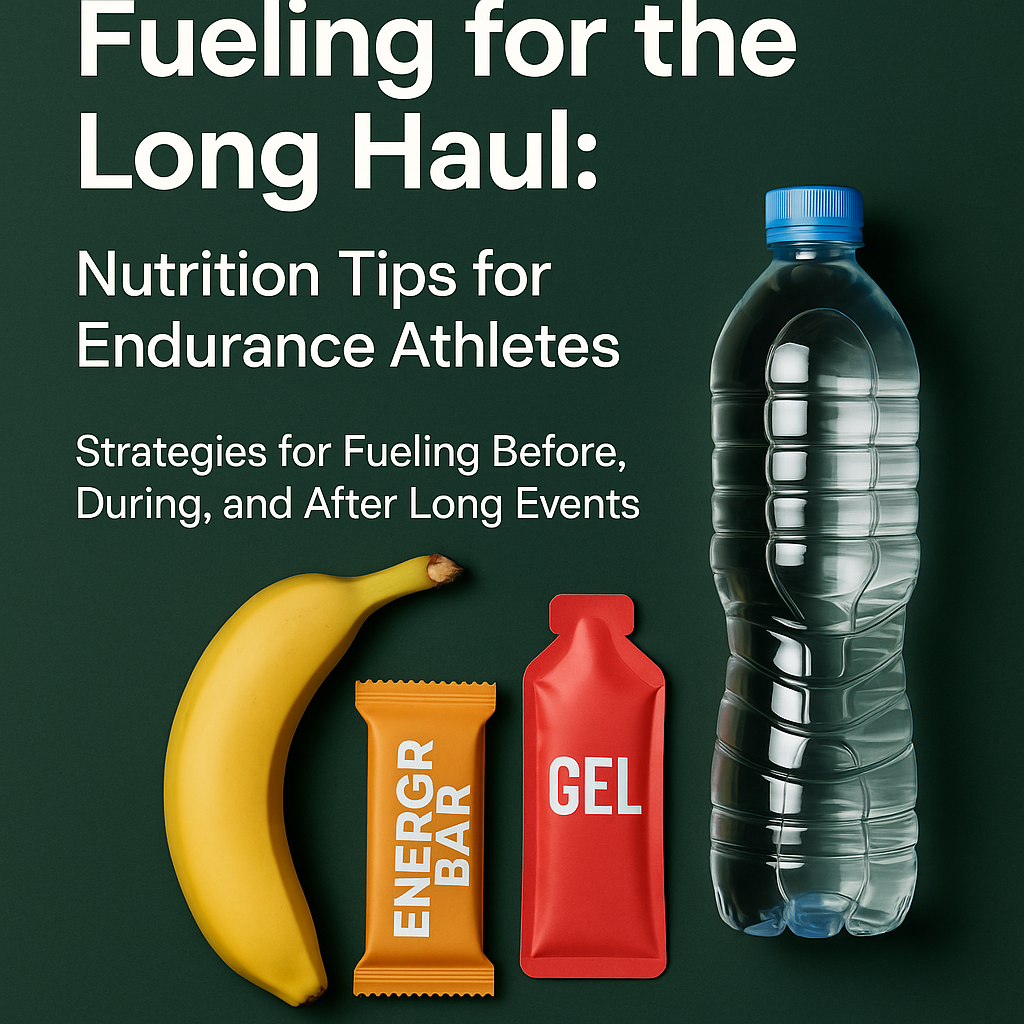
Strategies for Fueling Before, During, and After Long Events
Whether you’re lining up for a marathon, a triathlon, or an all-day gravel race, your fueling strategy can make or break your performance. Nutrition isn’t just about what you eat the night before—it’s a long-term investment in your energy, recovery, and overall health. In this post, we’ll break down how to fuel before, during, and after endurance events so you can go the distance, recover faster, and perform at your best.
Before the Event: Build the Foundation
1. Daily Nutrition Matters
Fueling for endurance starts long before race day. A diet focused on whole foods, quality carbohydrates, lean proteins, and healthy fats provides the foundation for training and recovery. Prioritize:
Complex carbs (oats, rice, potatoes) to stock glycogen stores.
Protein (chicken, fish, beans, eggs) for muscle repair.
Fats (avocado, nuts, olive oil) for hormonal health and long-term energy.
2. Carbohydrate Loading
For events lasting longer than 90 minutes, gradually increase your carb intake 2-3 days before to maximize glycogen stores. Focus on easily digestible, low-fiber carbs in the 24-48 hours leading up to your race.
3. Pre-Event Meal
Eat 2-4 hours before the start. Aim for a high-carb, moderate-protein, low-fat meal. Example:
Oatmeal with banana and honey
A bagel with a little peanut butter
A sports drink if solid food feels too heavy
Avoid: High-fiber, spicy, or unfamiliar foods that might upset your stomach.
During the Event: Fuel the Machine
1. Hydration is Non-Negotiable
Start hydrated, stay hydrated. A general rule: drink to thirst but ensure you’re getting electrolytes, especially in hot conditions.
2. Carbohydrate Intake
Endurance athletes should aim for 30-90 grams of carbs per hour, depending on the event duration and intensity. Options include:
Gels
Chews
Bananas
Energy bars
Sports drinks
Train your gut in training, not on race day. Practice fueling strategies during your long workouts.
3. Electrolytes Matter
Sodium, potassium, magnesium—these keep your muscles firing and help prevent cramps. Consider electrolyte tabs or powders if your fuel doesn’t already include them.
After the Event: Recover Smarter
1. Immediate Recovery (First 30-60 Minutes)
The window after a long effort is critical. Replenish with a carb-to-protein ratio of 3:1 or 4:1. Examples:
Recovery shake
Chocolate milk
Rice with chicken and vegetables
2. Rehydrate and Rebuild
Continue to replace lost fluids and electrolytes throughout the day. Prioritize balanced meals with protein, carbs, and colorful vegetables to kickstart muscle repair and immune recovery.
3. Think Beyond the Finish Line
Proper post-race nutrition accelerates recovery, helps you bounce back stronger, and reduces the risk of injury. Don’t skip meals or rely solely on celebratory junk food—you’ve earned better.
Final Thoughts: Fuel is Your Secret Weapon
Endurance athletes spend countless hours training their bodies, but nutrition is where performance gains are either made or lost. Treat fueling as a key part of your training strategy—not just something you wing on race day.
When you fuel with intention, you unlock endurance, strength, and resilience you didn’t know you had.