
The Power of Recovery: Rest Days, Sleep, and Staying Injury-Free
Your Guide to Maximizing Recovery for Sustainable Endurance Training
Introduction
When it comes to endurance training, most athletes focus on mileage, intensity, and progression. But real gains happen during recovery—not while you’re grinding through another long run or interval set. Understanding how to use rest, sleep, and smart training decisions to your advantage is the key to injury prevention, better performance, and long-term consistency.
In this guide, we’ll break down the science of recovery, including:
The importance of rest days for endurance athletes
How sleep boosts performance and recovery
Proven strategies for injury prevention in endurance sports
Why Recovery Matters in Endurance Training
Recovery is where adaptation happens. Without it, your hard work in training could lead to overtraining syndrome, plateaus, or injury. For endurance athletes, recovery isn’t optional—it’s essential for building a strong aerobic base, increasing resilience, and avoiding burnout.
Common search terms:
Importance of recovery in endurance training
Why rest days are important for runners/cyclists
Recovery tips for long-distance athletes
The Role of Rest Days
Rest days aren’t lazy days—they’re your body’s chance to repair, rebuild, and adapt. Here’s how to make the most of them:
1. Full Rest vs. Active Recovery
Full rest: No training. Best after hard race efforts or heavy weeks.
Active recovery: Low-intensity activities like walking, yoga, or an easy spin to promote circulation.
2. How Often Should You Take Rest Days?
Most endurance athletes benefit from 1–2 rest days per week, depending on volume and intensity.
3. Signs You Need a Rest Day
Fatigue that lasts more than 24 hours
Elevated resting heart rate
Irritability or poor sleep
Loss of motivation to train
Sleep: Your Most Powerful Recovery Tool
While you sleep, your body is busy repairing muscle tissue, restoring hormone balance, and consolidating training gains.
Why Sleep Matters:
Boosts muscle recovery and performance
Regulates cortisol and growth hormone
Improves mental focus and emotional resilience
Sleep Tips for Endurance Athletes:
Aim for 7–9 hours of quality sleep each night
Create a dark, cool sleep environment
Avoid screens an hour before bed
Try a consistent wind-down routine
Common search terms optimized: best sleep habits for athletes, how sleep affects endurance training, sleep and muscle recovery
Injury Prevention Through Smarter Recovery
Injuries often happen when you ignore the signals your body sends. Here’s how recovery helps you stay healthy:
1. Listen to Early Warning Signs
Persistent soreness
Tight tendons or joints
Reduced range of motion
Sudden dip in performance
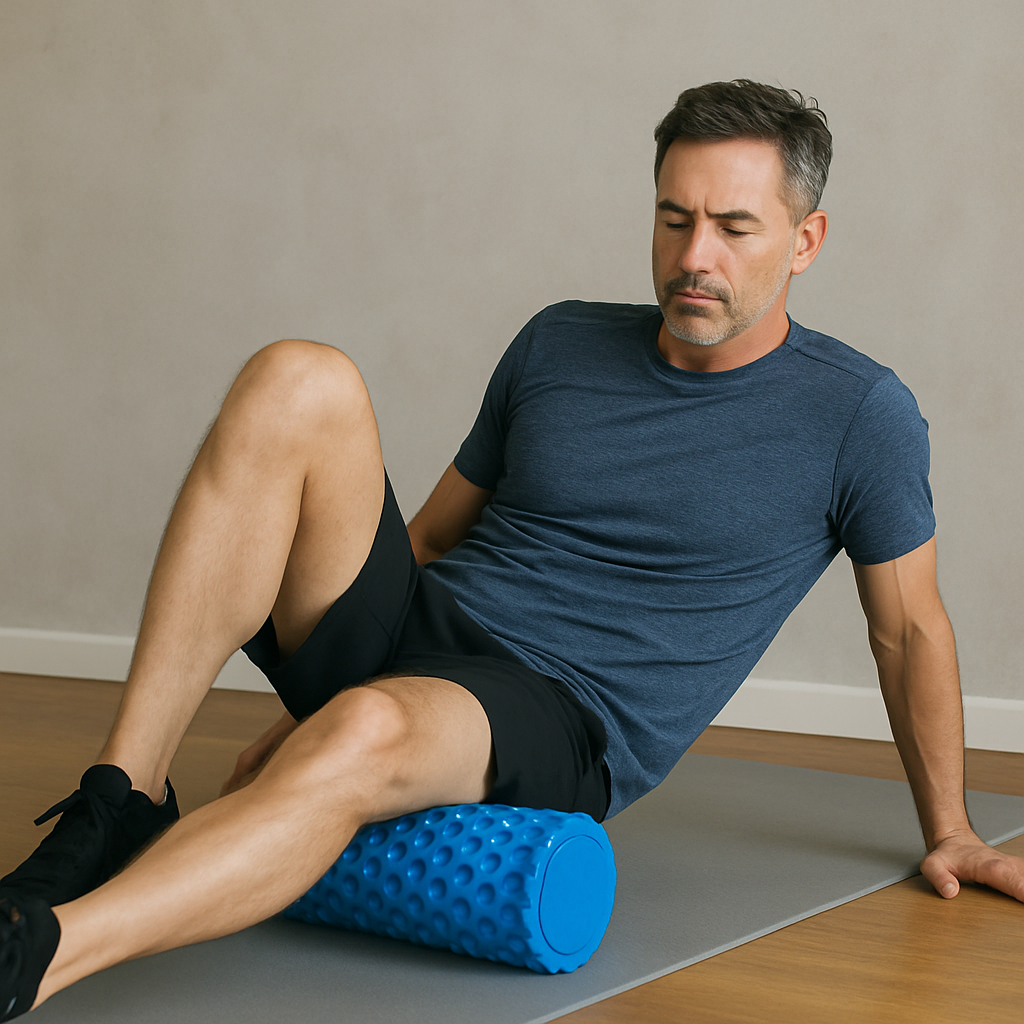
2. Include Mobility and Soft Tissue Work
Foam rolling, massage, dynamic stretching
10–15 minutes a day can make a big difference
3. Periodize Your Training
Incorporate deload weeks every 3–4 weeks
Alternate between high, moderate, and low-intensity days
Tools and Habits for Better Recovery
Nutrition: Prioritize protein and anti-inflammatory foods post-workout
Hydration: Support tissue repair and circulation
Cold therapy or contrast baths: For muscle soreness relief
Sleep trackers and HRV monitoring: Help detect recovery readiness
Final Thoughts: Train Hard, Recover Harder
If you want to build endurance that lasts for years—not just a season—then recovery must become as routine as your long runs. Use rest, prioritize sleep, and train smart to stay injury-free, resilient, and consistent.